Acoustic vs. Thermal Imaging Leak Detection in Commerce City: When Each One Works Best
Acoustic listening and thermal imaging are the two workhorse leak detection methods, and they excel in different situations. Here is how each works and why Commerce City's cold winters give thermal imaging a seasonal edge.
Leak Emergency? Call (303) 552-3896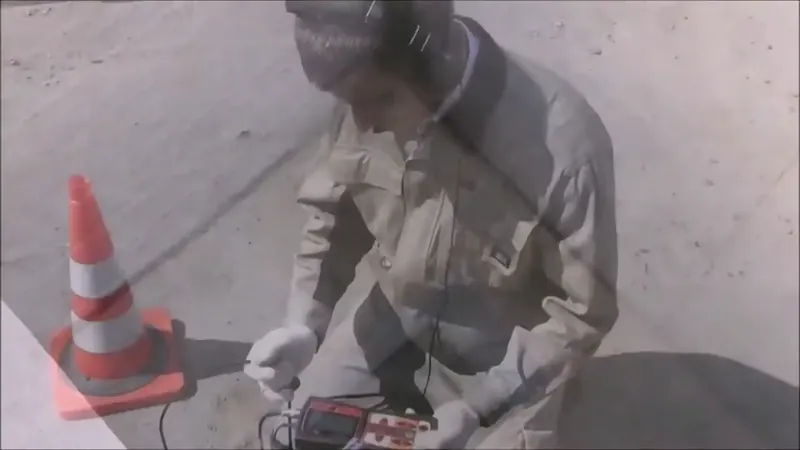
When a leak detection technician arrives at a Commerce City home, two of the most frequently deployed tools are acoustic listening equipment and a thermal imaging camera. They work on completely different physical principles, they excel in different situations, and the best detection results often come from using them together. Understanding what each method does, and when each is the right choice, helps Commerce City homeowners understand the detection process and why a thorough investigation often involves more than one technology.
How Acoustic Leak Detection Works
Acoustic detection listens for the sound a leak makes. When pressurized water escapes through a fracture in a supply pipe, it produces sound in two ways: a turbulent hiss as the water forces through the small opening under pressure, and a lower-frequency impact as that escaping water strikes the surrounding soil or concrete. Both of these sounds travel outward through the pipe wall and through the surrounding material, and they can be detected at the surface with a sensitive ground-contact microphone.
The real power of acoustic detection comes from correlation. By placing two listening points at known locations along a pipe run, the equipment measures the tiny difference in the time it takes the leak sound to reach each point. Because the speed at which sound travels through the pipe material is known, and the distance between the listening points is known, the processor can calculate exactly where along the pipe the sound is originating. For metal supply lines, copper and galvanized steel, this correlation pinpoints the fracture to within 12 to 18 inches.
Acoustic detection works best on metal supply lines under pressure, with flow rates high enough to produce a detectable sound, typically above 0.05 gallons per hour, and pipe depths under about 4 feet. It is the primary method for slab leaks in metal supply, for buried service line leaks, and for in-wall supply failures in Commerce City's copper-supply tract homes and galvanized-supply historic homes.
The Limitation of Acoustic Detection
Acoustic detection has two main limitations, both relevant in Commerce City. The first is pipe material. Plastic pipe, including the PEX supply in Reunion and Belle Creek slab homes and the polyethylene irrigation laterals throughout the master-planned communities, absorbs sound rather than transmitting it efficiently. The leak signal attenuates quickly in plastic, making acoustic correlation far less reliable than it is on metal pipe. For plastic pipe, tracer gas is generally the better method.
The second limitation is background noise. Commerce City's I-70 and I-270 corridor generates constant traffic vibration in the same frequency range that acoustic detection monitors. Properties within a couple hundred feet of the interchange zones experience elevated background noise that can interfere with acoustic detection. Modern equipment includes digital filtering that suppresses much of this interference, but in the noisiest locations, a supplementary method may be needed to confirm the result.
How Thermal Imaging Works
Thermal imaging takes a completely different approach. Instead of listening for sound, it sees temperature. A thermal imaging camera detects the infrared radiation that all surfaces emit, and it translates the temperature differences into a visible image where warm areas and cool areas appear in different colors. In leak detection, this reveals the thermal signature that moisture creates.
A hot-water supply line leaking behind a wall or beneath a slab warms the surface above the leak. On the thermal image, this appears as a warm patch standing out against the cooler surrounding material. A cold-water line leaking into a heated wall produces the opposite: a slightly cooler zone, created by evaporative cooling as the moisture wicks through the wall cavity. A shower pan liner failure introduces cool moisture into a floor assembly, cooling the ceiling surface of the room below. In each case, the thermal camera maps the moisture by the temperature anomaly it creates.
Why Commerce City Winters Help Thermal Imaging
Here is a Commerce City-specific advantage that matters for timing a detection visit. Thermal imaging depends on temperature contrast: the bigger the difference between the leak-affected area and the surrounding dry material, the clearer and more definitive the thermal image. Commerce City's Front Range winters create large temperature differentials. On a cold January day, with interior temperatures around 68 degrees and exterior temperatures in the single digits or teens, the contrast across a wall assembly is dramatic.
A leak that might produce only a 2-degree surface temperature difference on a mild summer day produces an 8-degree difference on a cold winter day, because the surrounding dry material is much colder while the leak-warmed area stays relatively warm. This larger contrast makes the leak zone unmistakable on the thermal image, even for a slow-drip flow rate that would be marginal in summer conditions. For suspected slab leaks and wall leaks in Commerce City, the ideal time to run thermal imaging is immediately after hot-water use, on a cold day, when the thermal contrast is at its maximum.
The Limitation of Thermal Imaging
Thermal imaging identifies the moisture zone, not the pipe itself. The warmest point on a hot-water leak scan is typically near the fracture, but moisture migrates through the wall or slab assembly, so the thermal anomaly often extends several inches in all directions from the actual failure point. Thermal imaging tells you approximately where the leak is and confirms that active moisture is present, but it does not, by itself, pinpoint the exact pipe failure to the inch.
Thermal imaging also cannot see through everything equally. It reads surface temperature, so a leak deep within a thick slab or behind heavy insulation may produce only a faint surface signature. And it requires a temperature differential to work, which is why cold-water leaks in unheated spaces, where there is little temperature contrast, are harder to detect thermally than hot-water leaks.
Why the Two Methods Work Best Together
The complementary strengths of acoustic and thermal detection are exactly why a thorough Commerce City leak investigation often uses both. Consider a suspected slab leak in a Reunion home. Thermal imaging scans the slab surface after hot-water use and identifies a warm zone, confirming active moisture and narrowing the search to a specific area of the floor. But the thermal zone might span 24 inches, too large to core-drill blindly. Acoustic listening then works within that thermal zone, pinpointing the fracture to within 12 to 18 inches by the sound the leak makes. The thermal scan narrows the area; the acoustic correlation pinpoints the exact spot.
This convergence is the foundation of accurate, minimally invasive repair. When two independent methods, one based on temperature and one based on sound, agree on the same location, the confidence is high enough to open a small targeted access cut or core-drill a precise location rather than performing exploratory demolition. The combination of methods is what allows a 4-inch core drill instead of a 16-inch exploratory slab opening.
Choosing the Method for Your Commerce City Situation
For most situations, the technician chooses the method based on the pipe material, the leak location, and the symptom. Metal supply line leaks, slab leaks in copper, and buried service line failures lean toward acoustic as the primary method. Plastic pipe failures, PEX and polyethylene, lean toward tracer gas. Moisture of uncertain origin, ceiling stains, wall dampness, and suspected slab leaks where the goal is to confirm and map the moisture zone, lean toward thermal imaging as the first scan. And for the most accurate pinpointing, especially in Commerce City's older homes where minimizing repair access matters most, the methods are combined.
The takeaway for Commerce City homeowners is that there is no single best leak detection method. Acoustic and thermal imaging each excel in different conditions, and the best results come from matching the method to the situation and often from using more than one. If you have a leak that needs locating and want it found accurately with the least disruption to your home, call (303) 552-3896.
Have a Leak in Commerce City Right Now?
Around-the-clock leak response in Commerce City. Non-invasive detection, Adams County licensed.
Call 24/7: (303) 552-3896Frequently Asked Questions
Which is better for finding a leak in Commerce City, acoustic or thermal imaging?
Neither is universally better; they excel in different situations. Acoustic detection is best for metal supply lines under pressure with detectable flow rates. Thermal imaging is best for confirming and mapping moisture zones, especially hot-water leaks, and works particularly well in Commerce City's cold winters. The most accurate results often come from using both: thermal to narrow the area, acoustic to pinpoint the exact spot.
Why is winter a good time for thermal leak detection in Commerce City?
Thermal imaging depends on temperature contrast between the leak-affected area and the surrounding dry material. Commerce City's cold winters, with interior temperatures around 68 degrees and exterior temperatures in the single digits, create large differentials. A leak that produces a 2-degree difference in summer can produce an 8-degree difference in winter, making the leak zone far clearer on the thermal image.
Can acoustic detection find leaks in PEX pipe in Commerce City homes?
Acoustic detection is less reliable on PEX and other plastic pipe because plastic absorbs sound rather than transmitting it efficiently, so the leak signal attenuates quickly. For PEX supply in Reunion and Belle Creek slab homes and polyethylene irrigation laterals, tracer gas is generally the better detection method since gas migration through soil is not affected by the pipe material.
Related Services
- Acoustic Leak Detection
- Thermal Imaging Leak Detection
- Slab Leak Detection & Repair
- Non-Invasive Leak Detection
- Electronic Leak Detection
- Tracer Gas Leak Detection
Service Areas
Commerce City Leak Detection, 24/7
Adams County licensed. Non-invasive detection. No forms.
(303) 552-3896